Frequently Asked Questions
How big is a horse riding arena?
The size of a horse riding arena typically varies based on its intended use, but standard dimensions range from 20x40 metres for smaller arenas to 20x60 metres or larger for professional competitions, ensuring ample space for various equestrian activities.
How to build a horse riding arena?
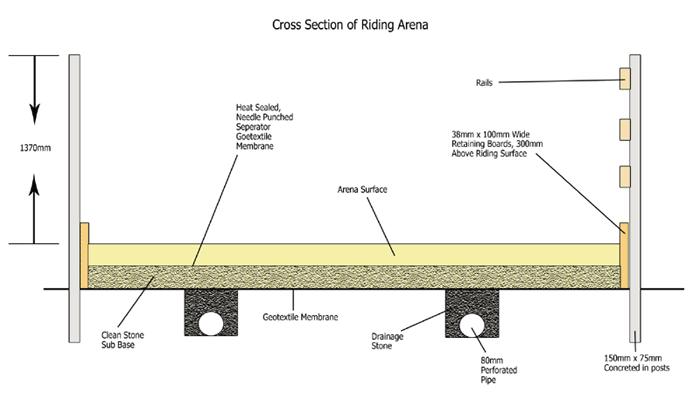
Building a horse riding arena involves selecting an appropriate location, designing the layout, choosing quality surface materials, and ensuring proper drainage and fencing. Consulting with experts can help tailor the arena to meet specific equestrian needs.
What dimensions are ideal for a riding arena?
The ideal dimensions for a riding arena typically range from 20x40 metres for smaller spaces to 20x60 metres or larger for more versatile use, accommodating various equestrian activities and ensuring ample room for movement and training.
How much space is needed for horse manege?
The space needed for a horse manège typically ranges from 20x40 metres for smaller arenas to 30x60 metres for larger, more versatile setups, depending on the intended use and number of horses.
What materials are best for arena construction?
The best materials for arena construction include high-quality sand, rubber, and fibre, which provide optimal drainage, cushioning, and stability. These materials ensure a safe and durable riding surface tailored to equestrian needs.
How to design a custom horse riding arena?
Designing a custom horse riding arena involves assessing your specific needs, choosing the right dimensions, selecting suitable surface materials, and incorporating features like drainage and lighting to enhance functionality and safety for both horse and rider.
What features enhance a horse riding arena?
The features that enhance a horse riding arena include high-quality surface materials for optimal traction, proper drainage systems to prevent water accumulation, adequate lighting for evening use, and customizable fencing to ensure safety and define boundaries.
How to ensure proper drainage in arenas?
Ensuring proper drainage in arenas involves designing a slight slope in the base, incorporating drainage channels, and selecting appropriate surface materials that facilitate water runoff, preventing water accumulation and maintaining a safe riding environment.
What surface types are suitable for riding?
The suitable surface types for riding include sand, rubber, and synthetic materials, each offering unique benefits for traction, cushioning, and drainage, ensuring a safe and comfortable experience for both horse and rider.
How to maintain a horse riding arena?
Maintaining a horse riding arena involves regular grooming, ensuring proper drainage, and checking for surface consistency. Additionally, periodic inspections and repairs of fencing and footing materials will enhance safety and performance for both horse and rider.
What permits are required for arena construction?
The permits required for arena construction typically include planning permission from your local council, building regulations approval, and possibly environmental assessments, depending on the location and scale of the project.
How to choose a location for an arena?
Choosing a location for an arena involves considering factors such as accessibility, drainage, and the surrounding environment. Ensure the site is level, has good soil quality, and is away from potential disturbances to create an ideal riding experience.
What is the cost of building an arena?
The cost of building an arena varies based on size, materials, and customization options. Typically, prices can range from £30,000 to £100,000 or more, depending on specific requirements and features chosen.
How to incorporate lighting in riding arenas?
Incorporating lighting in riding arenas involves strategically placing fixtures to ensure even illumination. Consider using LED lights for energy efficiency and adjustable mounts to adapt to different activities, enhancing visibility and safety during evening rides.
What safety features should an arena have?
The safety features an arena should have include proper fencing, non-slip surfaces, adequate lighting, and safe entry and exit points to ensure the protection of both horses and riders during use.
How to plan for spectator seating in arenas?
Planning for spectator seating in arenas involves assessing the audience size, ensuring clear sightlines, and considering accessibility. It's essential to create a layout that maximises comfort and safety while enhancing the overall viewing experience.
What are common mistakes in arena construction?
Common mistakes in arena construction include inadequate drainage planning, poor surface material selection, and neglecting proper dimensions, which can lead to safety issues and suboptimal riding conditions.
How to select a builder for an arena?
Selecting a builder for an arena involves researching their experience, checking references, and reviewing their previous projects. Ensure they specialise in equestrian facilities and offer customised solutions to meet your specific needs.
What is the timeline for arena construction?
The timeline for arena construction typically ranges from a few weeks to several months, depending on the size, design complexity, and weather conditions. We work closely with clients to establish a realistic schedule tailored to their specific needs.
How to customize arena dimensions for disciplines?
Customising arena dimensions for specific disciplines involves assessing the requirements of each sport, such as dressage, show jumping, or eventing. Highfield Equestrian can tailor the size and layout of your arena to meet these unique needs, ensuring optimal performance.
What are the benefits of a covered arena?
The benefits of a covered arena include year-round riding regardless of weather conditions, enhanced safety for both horse and rider, and improved visibility for training and events, making it an invaluable investment for equestrians.
How to evaluate arena construction quality?
Evaluating arena construction quality involves assessing the materials used, the craftsmanship, and adherence to design specifications. Look for a smooth, durable surface and proper drainage to ensure optimal performance and longevity for equestrian activities.
What are the best practices for arena layout?
The best practices for arena layout include ensuring adequate space for various riding disciplines, maintaining proper drainage, and positioning the arena to minimise sun glare and wind interference. Additionally, clear boundaries and safe footing materials enhance usability and safety.
How to integrate jumps into a riding arena?
Integrating jumps into a riding arena involves strategically placing them to enhance training and competition. Consider the arena's layout and surface, ensuring jumps are positioned for optimal visibility and safety while allowing for varied training exercises.
What maintenance schedule is recommended for arenas?
The recommended maintenance schedule for arenas includes regular inspections, weekly grooming, and seasonal surface replenishment. Consistent upkeep ensures optimal riding conditions and prolongs the lifespan of the arena.
How to choose the right arena location?
Choosing the right arena location involves considering factors such as drainage, accessibility, and proximity to existing facilities. Ensure the site has ample space, is level, and offers good soil quality for optimal construction and use.
What are the environmental considerations for arenas?
Environmental considerations for arenas include sustainable materials, effective drainage systems to prevent waterlogging, and minimising disruption to local wildlife. Additionally, selecting surfaces that reduce dust and promote eco-friendly practices is essential for maintaining a healthy environment.
How to ensure arena accessibility for all riders?
Ensuring arena accessibility for all riders involves designing wide entry points, smooth surfaces, and appropriate seating areas. Additionally, incorporating ramps and clear signage can help accommodate riders of all abilities, promoting an inclusive equestrian environment.
What are the advantages of a sand arena?
The advantages of a sand arena include excellent drainage, reduced impact on horse joints, and a versatile surface that can be tailored for various equestrian activities, ensuring optimal performance and safety for both horse and rider.
How to incorporate natural elements in arena design?
Incorporating natural elements in arena design involves integrating features such as native plants, natural drainage systems, and using organic materials for surfaces. This approach enhances aesthetics and promotes sustainability while creating a harmonious environment for both horses and riders.