
Arena Design and Layout Guide for Owners: Expert Strategies for Optimal Footing, Drainage, and Safety
The design and layout of horse arenas play a crucial role in ensuring the safety and performance of both horse and rider. A well-planned arena not only enhances usability but also helps mitigate risks associated with footing and drainage issues. This comprehensive guide equips arena owners with essential strategies to create safe, functional spaces that cater to varied equestrian activities. The article focuses on critical aspects, including footing options, drainage solutions, arena layout dimensions, fencing materials, lighting considerations, and maintenance practices. By addressing these key areas, owners can enhance the user experience while ensuring longevity and sustainability of their equestrian facilities.
What Are the Best Horse Arena Footing Options for Durability and Safety?
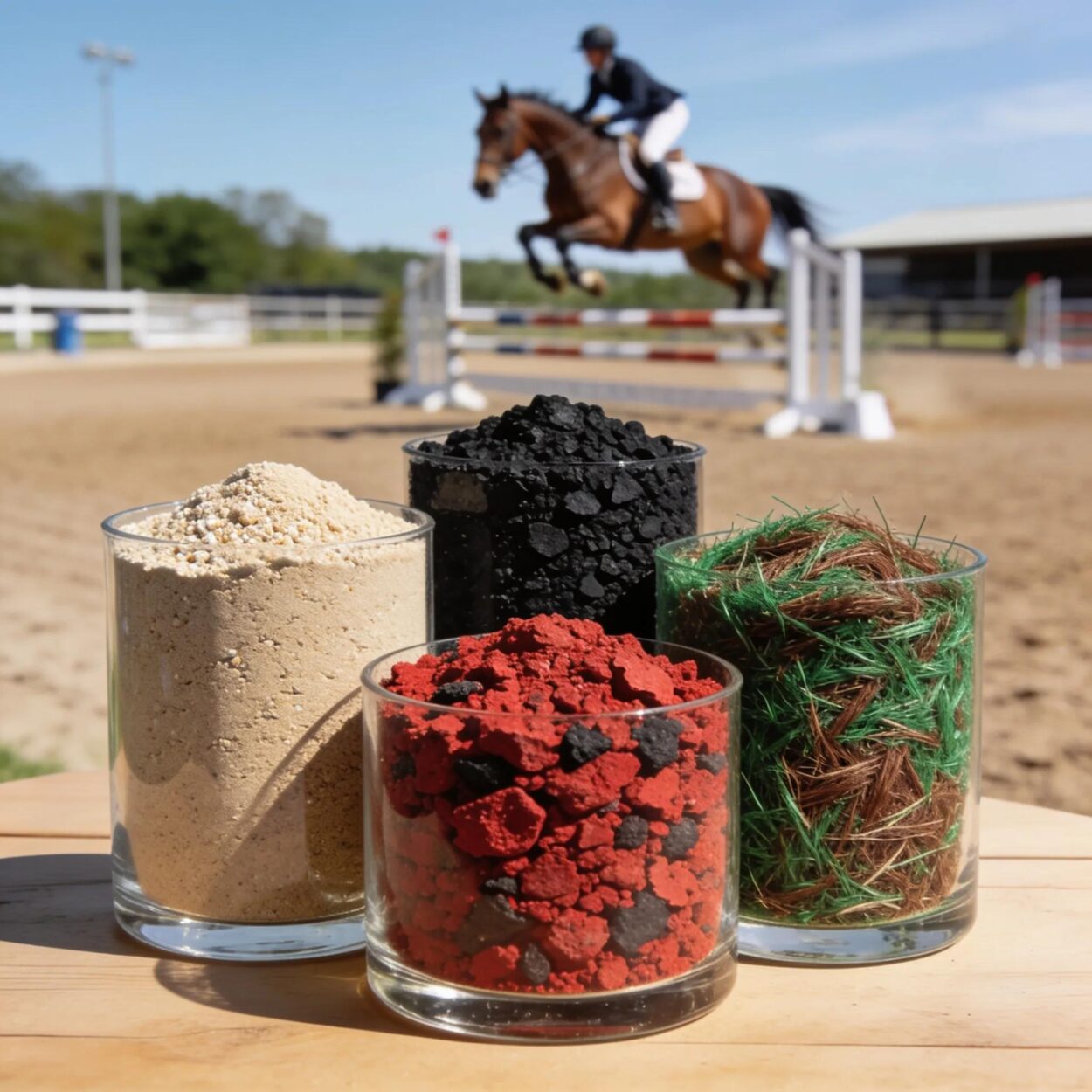
Selecting the right footing material is paramount for creating a safe and durable horse arena. Footing options differ significantly in their impact on horse performance, maintenance requirements, and safety considerations. Investing in high-quality footing material can enhance both the usability and longevity of the arena. It is essential to evaluate various footing materials based on durability, safety, and the specific needs of the riders and horses that will use the space.
How Does Footing Material Impact Arena Performance and Maintenance?
Different footing materials directly influence the performance of the arena as well as the upkeep required. For instance, sand-based footing is often preferred for its natural ability to provide good traction while allowing for effective drainage. However, it requires regular maintenance to prevent compaction and ensure optimal conditions. In contrast, synthetic materials may reduce maintenance needs significantly, but can present different challenges in terms of heat retention and drainage capabilities. Understanding these dynamics helps owners select materials that balance performance with reduced upkeep.
Which Eco-Friendly Footing Alternatives Suit Yorkshire’s Climate Conditions?
For environmentally conscious arena owners, selecting eco-friendly footing alternatives can align with sustainable practices while catering to the climate of Yorkshire. Options such as recycled rubber or fiber-based materials tend to perform well in varying weather conditions, offering excellent drainage and traction. Unlike traditional materials, these eco-friendly alternatives can also minimize environmental impact, offering a dual benefit for both the arena function and environmental consciousness. Evaluating local suppliers for such materials can further optimize sustainability efforts.
What Are the Most Effective Arena Drainage Solutions to Enhance Usability?
An appropriately designed drainage system is vital to maintaining arena usability, drastically reducing issues related to wet conditions and muddy surfaces. Effective drainage not only prolongs the life of the footing material but also ensures that the arena is safe for riding after rain. Owners should consider various types of drainage systems, including surface and subsurface solutions, to develop a comprehensive strategy for water management in their arenas.
How Do Subsurface Drainage Systems Improve Arena Longevity?
Subsurface drainage systems function by directing water away from the arena surface and reducing water accumulation, which can lead to footing degradation. These systems typically consist of perforated pipes placed below the arena surface, allowing for water to flow into the drainage system. By preventing waterlogging, subsurface drainage enhances the longevity of the footing material, reducing maintenance costs over time. Case studies have demonstrated that arenas incorporating these systems experience fewer long-term issues related to wet conditions.
What Are Custom Drainage Planning Considerations for Outdoor Arenas?
When tailoring drainage plans for outdoor arenas, several factors must be considered. The terrain’s slope and soil type can significantly affect drainage effectiveness. Furthermore, arena dimensions and intended use dictate the design of the drainage layout. Comparing multiple drainage designs highlights the benefits of customization, showcasing successful implementations that address specific challenges faced by the facility. Engaging with local experts can provide insights tailored to the unique context of each arena.
How Should Owners Plan Arena Layout and Dimensioning for Optimal Functionality?
Planning the layout and dimensions of an arena is essential for ensuring that it meets the functional needs of various equestrian activities. Factors such as the type of riding, the number of horses, and safety considerations should all inform these decisions. A well-designed arena can enhance the experience for both riders and horses, providing ample space for movement while minimizing potential hazards.
What Are Recommended Outdoor Riding Arena Dimensions for Various Activities?
The ideal dimensions for an outdoor riding arena can vary based on the specific discipline being practiced. For instance, standard dressage arenas often measure 20 meters by 60 meters, while jumping arenas should have a size of at least 40 meters by 80 meters to accommodate jumps and long approaches. Adequate spacing is crucial to ensure safety and facilitate maneuvers. Seasonal adjustments may also need to be factored in, making it essential for owners to consider how layout impacts overall functionality based on weather patterns.
How Does Custom Layout Planning Influence Rider Safety and Arena Efficiency?
Custom layout planning can greatly enhance rider safety and arena efficiency by ensuring that design elements reduce the risk of accidents. Statistical data have linked poorly designed arenas to increased incidents among riders, highlighting the importance of considering safety in design decisions. Thoughtful arena design prioritizes clear visibility, sufficient space between obstacles, and proper fencing, which collectively contribute to a safer riding experience while improving efficiency during training sessions.
Which Arena Fencing Materials Provide Safety and Durability?
The choice of fencing material for an arena plays a significant role in maintaining safety and durability. Various materials can be utilized, each with distinct advantages and disadvantages. Selecting the right fence type adds an essential layer of protection for both horses and riders.
How Do Different Fence Types Affect Security and Visual Appeal?
Fencing materials, ranging from wooden to vinyl to metal options, can affect both security and visual appeal. Each type carries different maintenance needs and durability ratings. For instance, while wooden fences provide an aesthetic charm, they may require more frequent maintenance than metal counterparts. Evaluating user experiences with these materials can help owners make informed decisions that balance durability, aesthetic considerations, and safety features.
What Maintenance Practices Ensure Fence Longevity and Safety Compliance?
Regular maintenance is critical to ensuring the longevity and safety of arena fencing. Owners should follow recommended maintenance schedules, which include routine inspections for wear and tear. Early identification of issues, such as loose posts or splintered wood, is vital. Additionally, understanding legal compliance for fencing materials can help owners avoid potential liabilities.
What Are Effective Equestrian Arena Lighting Ideas to Enhance Safety?
Proper lighting is essential for enhancing safety in outdoor arenas, especially during dusk or nighttime events. Adequate illumination significantly improves visibility for both riders and spectators. Integrating strategic lighting solutions can provide not only safety but also enhance the overall atmosphere for events held in the arena.
How Does Proper Lighting Improve Visibility and Rider Security?
Investing in high-quality arena lighting helps ensure that riders can clearly see their surroundings, significantly reducing the risk of accidents. Research indicates that well-lit environments contribute to greater rider confidence and can help minimize the likelihood of injuries. Emphasizing features that enhance visibility, such as LED options, further supports safety and promotes enjoyable riding experiences.
Which Sustainable Lighting Technologies Are Recommended for Outdoor Arenas?
When considering lighting options for outdoor arenas, sustainability is becoming increasingly important. Solar-powered lighting technologies offer a compelling alternative to traditional electric systems. Not only do they reduce energy costs, but they also minimize the carbon footprint of arena operations. User experiences have indicated satisfaction with the performance of sustainable lighting, showcasing its effectiveness in enhancing visibility without compromising environmental goals.
How Can Owners Maintain and Extend the Longevity of Their Arenas?
Routine maintenance is crucial for ensuring that horse arenas remain safe and functional over time. It is essential for arena owners to implement best practices for upkeep that address footing, drainage, and fencing components.
What Are Best Practices for Regular Arena Footing Maintenance?
Regular maintenance of arena footing includes assessing the surface for consistency and compaction. Techniques such as dragging the surface and adding fresh materials when needed can help maintain optimal conditions for riding. Owners should also remain vigilant to avoid common mistakes, such as overwatering or neglecting regular assessments, which can greatly impact arena usability and safety.
How Should Drainage and Fence Systems Be Inspected and Upgraded Over Time?
Establishing a maintenance checklist for drainage and fence systems can help identify care routines necessary for prolonging the life of these components. Regular inspections should focus on ensuring that drainage systems are clear and functional, while also checking that fencing remains in good repair. Identifying signs of neglect early can provide opportunities for timely upgrades, helping to maintain overall arena integrity and safety compliance.