
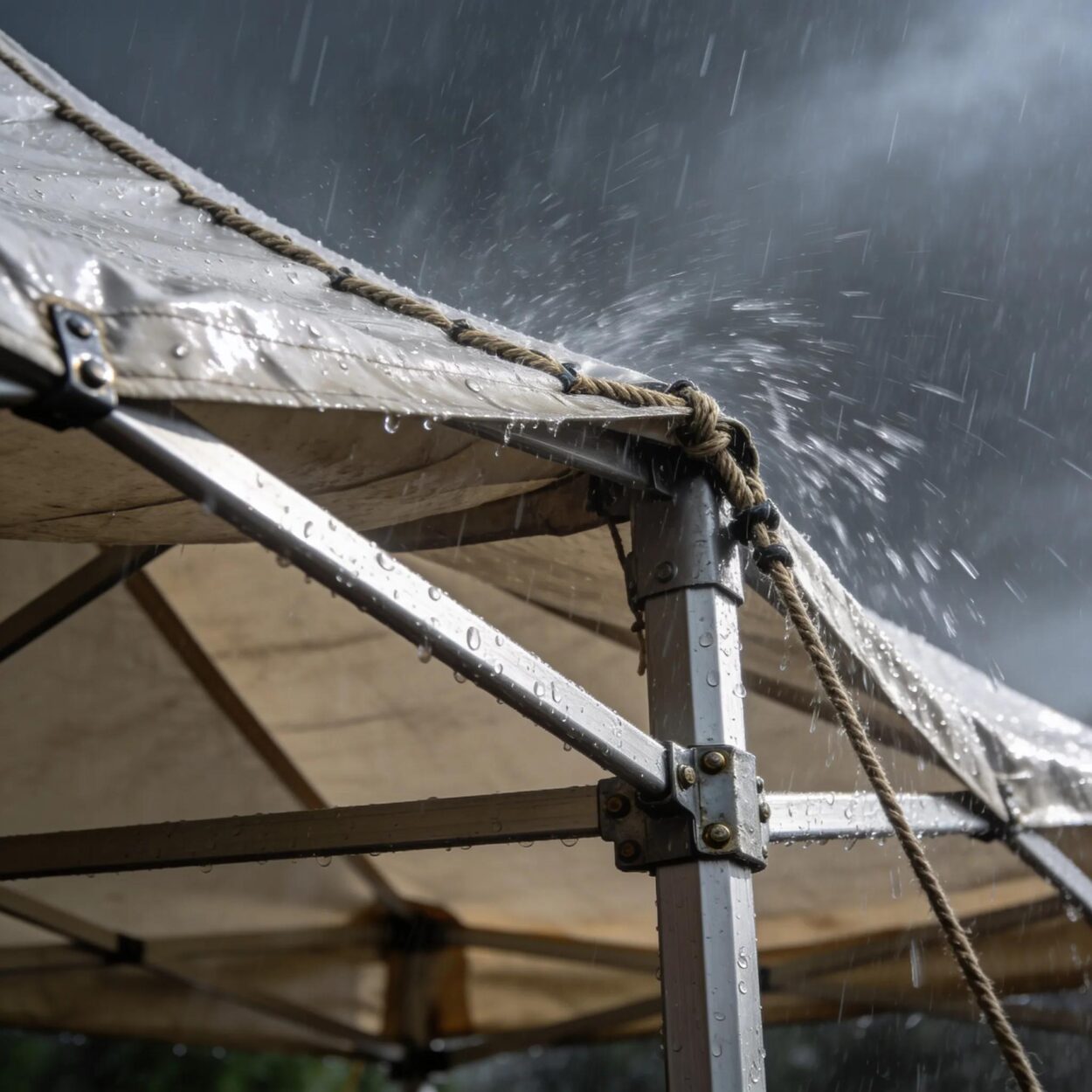
Comprehensive Guide to Field Shelters and Mobile Shelter Options for Practical Use
Field shelters and portable units serve as practical solutions for various outdoor needs, ranging from emergency response to agricultural applications. These structures are designed to offer flexibility, quick assembly, and essential protection from the elements, making them invaluable in numerous scenarios. In this comprehensive guide, we will explore the types, materials, key features, and best practices related to field shelters, providing insights that can help you make informed decisions when selecting the right option for your needs. Through this exploration, we aim to equip you with the knowledge needed to understand the variety of mobile shelter options that can cater to specific requirements.
In this article, we will cover the following sections: a detailed overview of field and portable shelters, the materials that ensure durability, key features of popular models like A20 and Y20, effective scenarios for usage, guidance on selection and purchase, and maintenance tips to maximize longevity.
What Are Field Shelters and Portable Shelter Units?
Field shelters are temporary structures designed for outdoor use, providing protection against various weather conditions. These shelters come in various forms, including mobile field shelters and portable shelter units. Their primary purpose is to offer immediate shelter for individuals or equipment while being easy to set up and dismantle. Portable shelter units are specifically advantageous for their mobility, enabling them to be transported easily from one location to another.
Defining Mobile Field Shelters and Temporary Outdoor Shelters
Mobile field shelters are specialized tents or structures crafted for flexibility and ease of use. They differ from traditional fixed shelters by incorporating design features that facilitate quick assembly and disassembly. In contrast, temporary outdoor shelters may include a broader category of structures that provide limited use for specific situations, such as festivals or emergency response.
How Do Foldable Field Shelters Enhance Portability?
Foldable field shelters enhance portability by allowing for compact storage and effortless transport. Their design significantly reduces the space required for storage, making them ideal for users who need to transport shelters frequently. Additionally, foldable structures typically feature lightweight materials that further improve mobility, making them convenient options for outdoor events or emergency response activities.
Which Materials Ensure Durability and Impact Resistance in Field Shelters?
When selecting a field shelter, the materials used significantly influence durability and performance. Weather-resistant materials ensure that shelters can withstand various environmental conditions, while sturdy frame materials provide structural integrity and impact resistance.
What Are the Common Weatherproof Fabrics and Frame Materials?
Common materials include heavy-duty polyethylene for the fabric, known for its water-resistant properties, and aluminum or steel for the framing structure. These materials work together to provide shelters that are not only durable but also resistant to UV exposure, ensuring a longer lifespan even under challenging conditions.
How Do Material Choices Affect Shelter Longevity and Safety?
The selection of materials plays a critical role in determining the longevity and safety of field shelters. High-quality fabrics coupled with robust frames enhance overall stability, reducing the risk of collapse during adverse weather. Additionally, weatherproof coatings augment protection, ensuring that shelters remain safe and functional over time.
What Are the Key Features of Popular Field Shelter Models Like A20 and Y20?
Popular models such as the A20 and Y20 field shelters are notable for their practical features designed to enhance usability. These shelters often come with customizable configurations and specific features tailored to various applications.
How Do A20 and Y20 Models Compare in Specifications and Use Cases?
The A20 model is ideal for smaller groups needing quick shelter, while the Y20 offers expanded space suitable for larger gatherings or equipment. Each model caters to specific scenarios, providing flexibility based on user needs.
Which Accessories and Customization Options Are Available?
Both A20 and Y20 models come with various accessories, including sidewalls for enhanced protection, anchoring kits to secure stability, and optional flooring for additional comfort. Customization options allow users to adapt shelters to their unique requirements, making them versatile choices for various applications.
In Which Scenarios Are Mobile Field Shelters Most Effective?
Mobile field shelters are particularly effective in situations requiring quick and temporary setups. Their design allows for rapid deployment, ideal for emergency shelters, agricultural uses, and outdoor events.
How Are Field Shelters Utilized in Emergency Response and Agriculture?
In emergency situations, field shelters can be rapidly deployed to provide refuge for individuals affected by disasters. In agriculture, these shelters become essential for protecting livestock or storage equipment during adverse weather, ensuring the smooth operation of farming activities. Their versatility makes them crucial tools in both sectors.
What Benefits Do Field Canopy Tents Offer for Outdoor Events?
Field canopy tents provide several advantages for outdoor events, including protection from inclement weather and allowing for social distancing. They create adaptable spaces that can accommodate different event setups, whether for weddings, fairs, or outdoor markets.
How Should Customers Choose and Purchase the Best Mobile Shelter Option?
Selecting the best mobile shelter involves considering various factors, from size to specific requirements based on use cases. Understanding these criteria can guide customers toward making informed decisions.
What Criteria Should Guide the Selection of Portable Shelter Units?
- Size: Ensure the shelter accommodates expected occupancy levels.
- Material Quality: Select durable fabrics and sturdy frames.
- Setup Time: Choose shelters that are quick and easy to assemble.
These considerations contribute to the effectiveness and satisfaction of the shelter.
Where Can Customers Find Reliable Purchase and Support Services?
Reliable purchasing options include specialized retailers in outdoor and mobile shelter solutions. Customers should seek businesses that offer extensive product ranges, comprehensive customer support, and additional resources for setup and maintenance.
How Can Field Shelters Be Properly Maintained and Set Up?
Maintenance and proper setup are vital for extending the life of field shelters. Practicing the best techniques can increase user safety and shelter longevity.
What Are Best Practices for Efficient Shelter Setup and Breakdown?
Efficient techniques for setup involve familiarizing oneself with the shelter’s components and assembly instructions before deployment. During breakdown, it is essential to clean and properly store the materials to maintain their condition and avoid damage.
How to Conduct Routine Maintenance for Long-Lasting Shelter Performance?
Routine maintenance should include regular inspections for wear and tear on fabric and frame, ensuring that any damages are repaired promptly. Cleaning the material periodically will also prevent mold and mildew, extending the shelter’s lifespan.